Optimal Timing for Concrete Base Installations
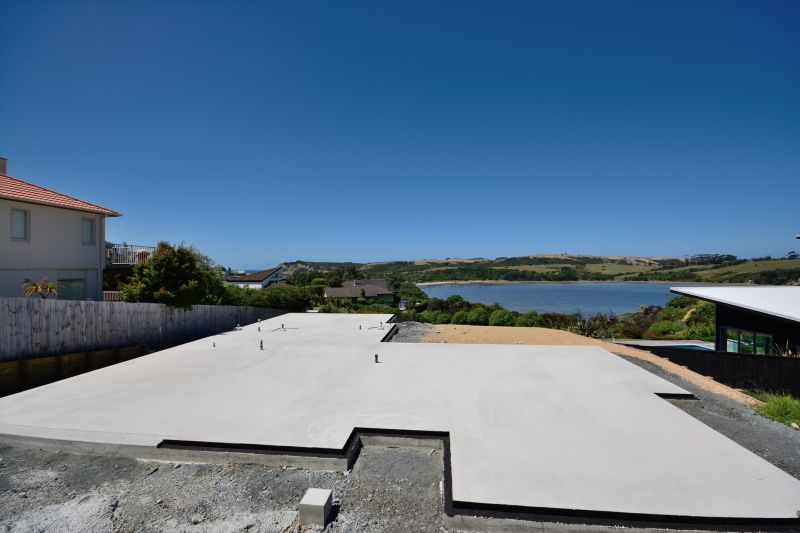
Concrete base installations are influenced by seasonal and weather conditions. Optimal timing ensures durability, proper curing, and structural integrity. Understanding the best periods for installation can prevent delays and costly repairs.
Spring offers moderate temperatures and lower precipitation, ideal for concrete curing and setting.
Warm weather accelerates curing, but excessive heat and dry conditions may require additional moisture management.
Fall provides cooler temperatures and less rain, suitable for projects that need to avoid summer heat.
Cold temperatures can hinder curing and cause cracking; special precautions are necessary for winter installations.
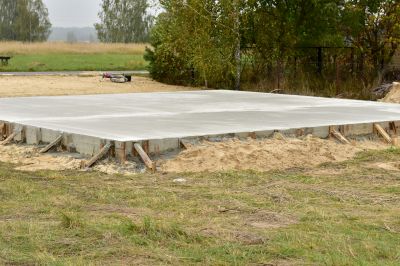
Concrete curing in spring benefits from moderate temperatures and lower humidity.
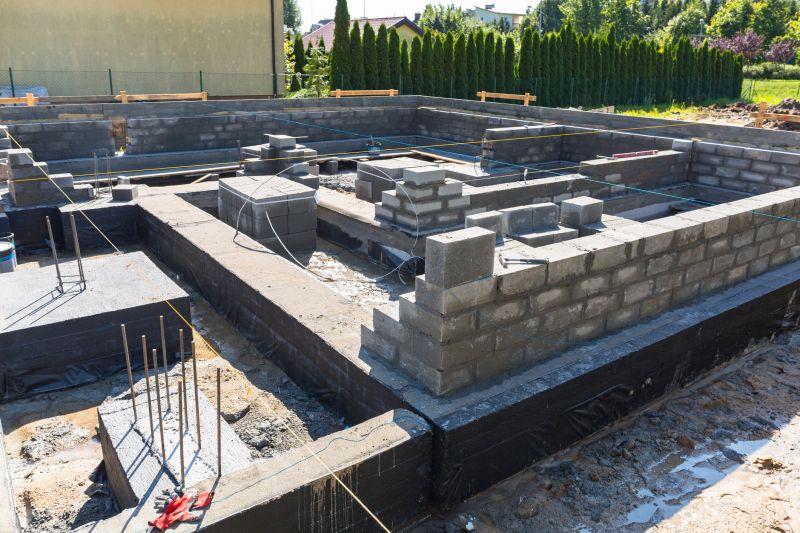
Summer installations require moisture control due to higher temperatures.
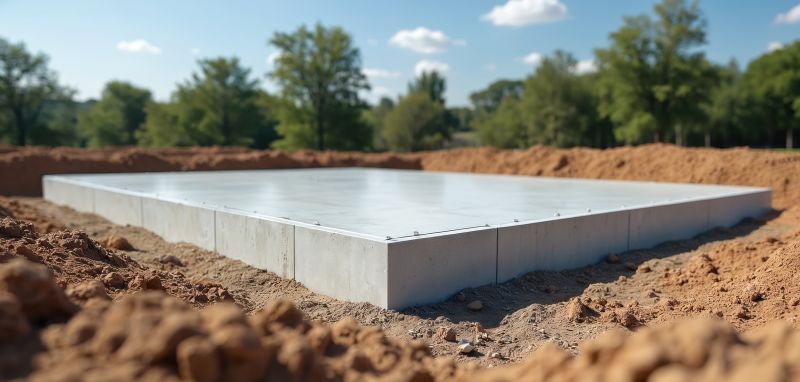
Fall offers cooler weather ideal for setting concrete without rapid drying.
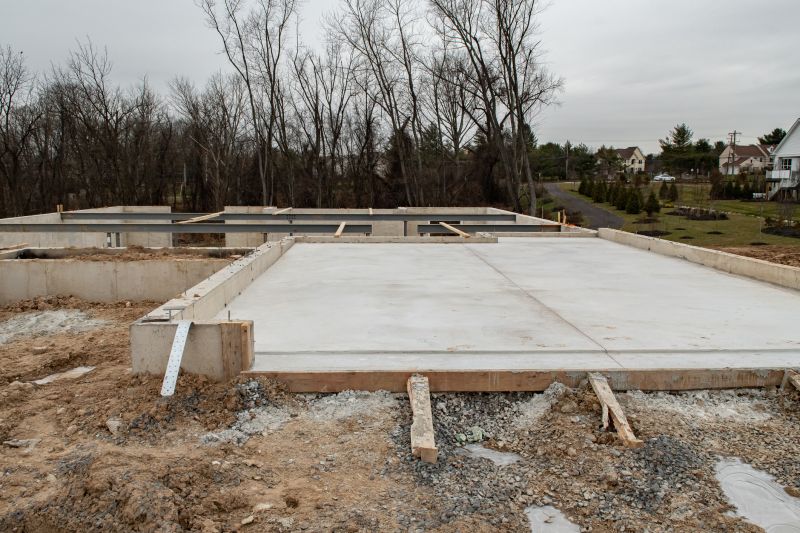
Ways to make Concrete Base Installations work in tight or awkward layouts.
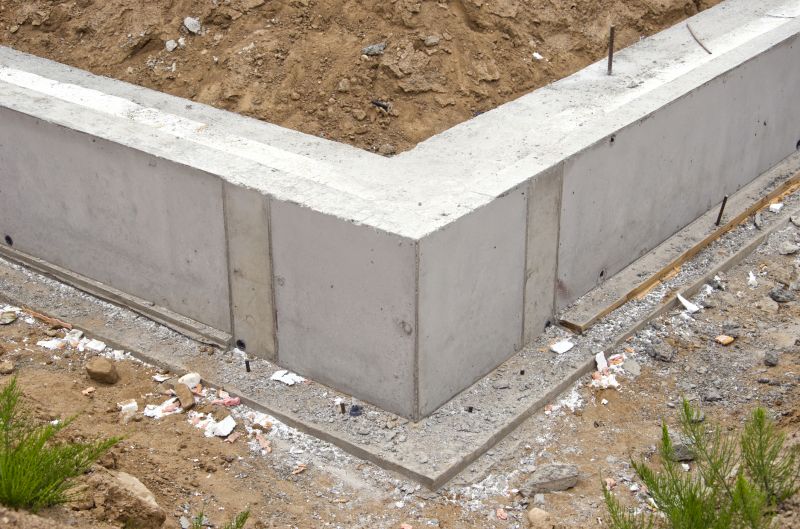
Popular materials for Concrete Base Installations and why they hold up over time.
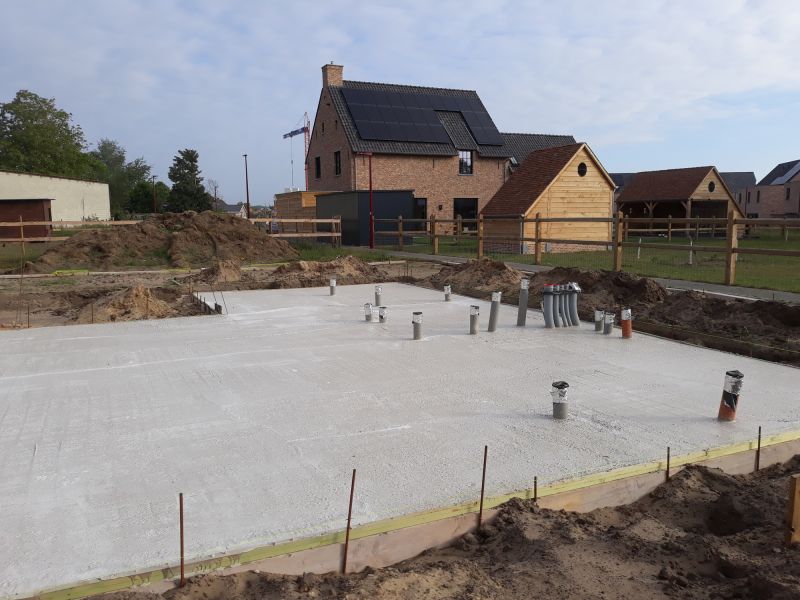
Simple add-ons that improve Concrete Base Installations without blowing the budget.
| Season | Best Conditions |
|---|---|
| Spring | Moderate temperatures, lower humidity, less rain |
| Summer | Warm weather, monitor moisture, avoid excessive heat |
| Fall | Cooler temperatures, dry conditions |
| Winter | Cold temperatures, potential for freezing, requires precautions |
Concrete base installations are a critical component in construction and landscaping projects. Proper timing ensures the concrete cures properly, achieving maximum strength and durability. Seasonal considerations, such as temperature and moisture levels, directly impact the quality of the installation. For example, concrete typically requires temperatures above freezing for at least 24 hours to cure correctly, making winter installations more complex without special measures. Conversely, spring and fall provide more stable conditions, reducing the risk of cracking or improper setting.
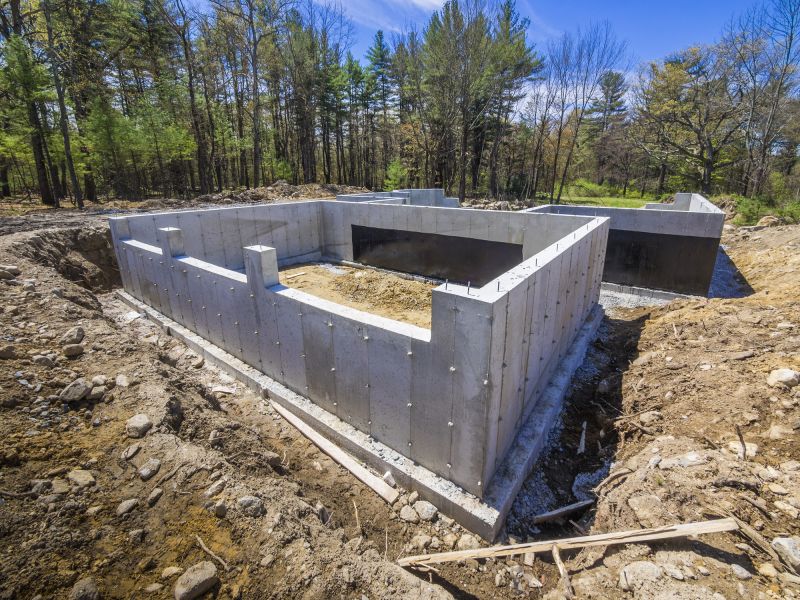
Proper curing is essential for strength development and durability.
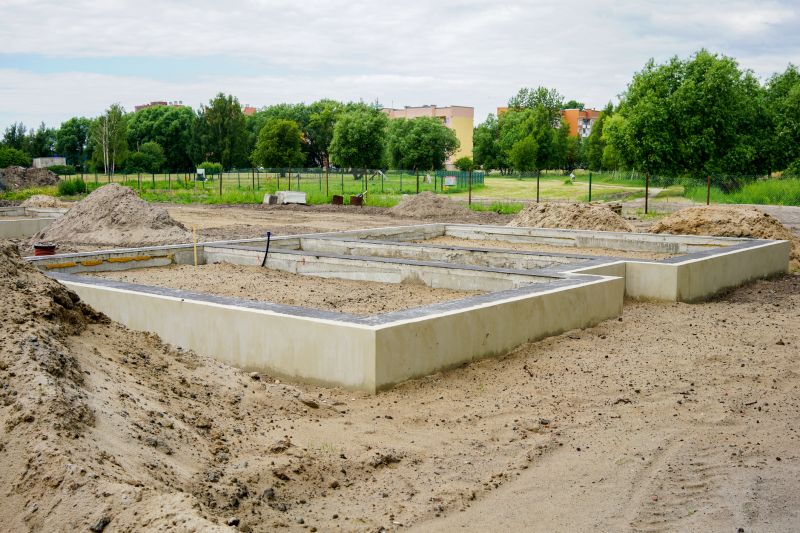
Timing impacts project success and longevity of the base.
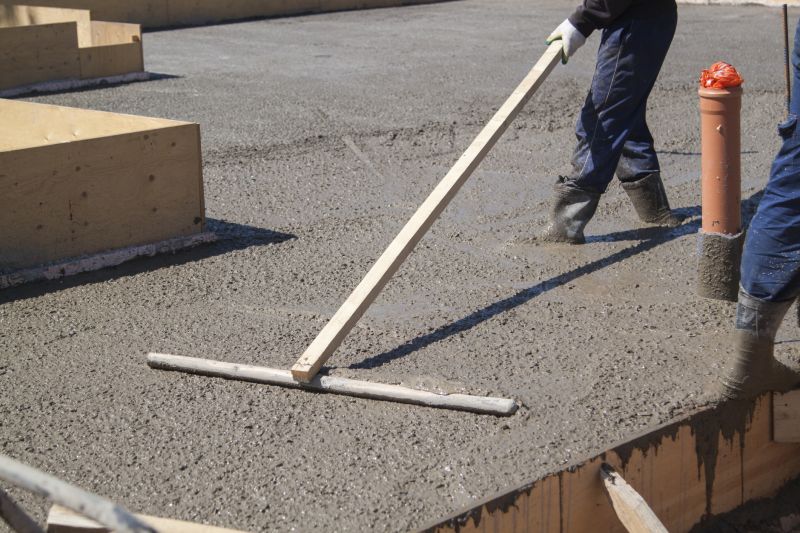
Weather conditions influence curing times and quality.
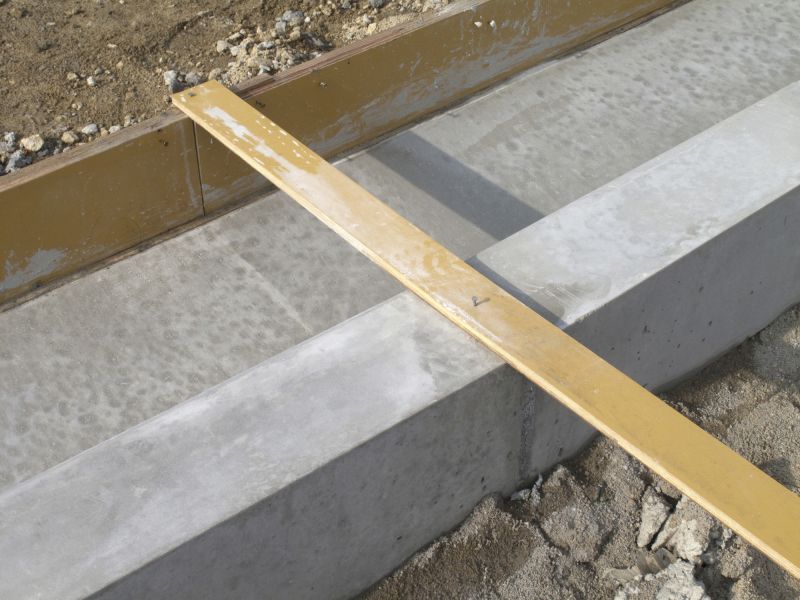
Scheduling concrete work around optimal weather conditions is crucial.
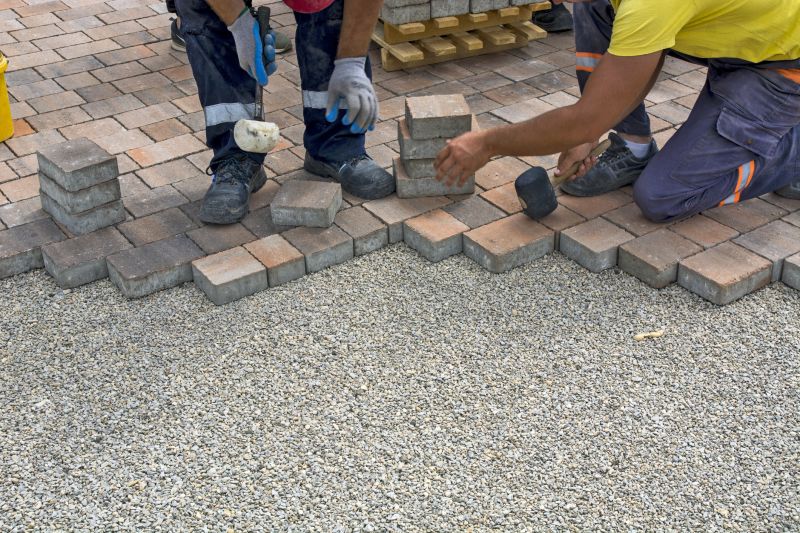
High-end options that actually feel worth it for Concrete Base Installations.
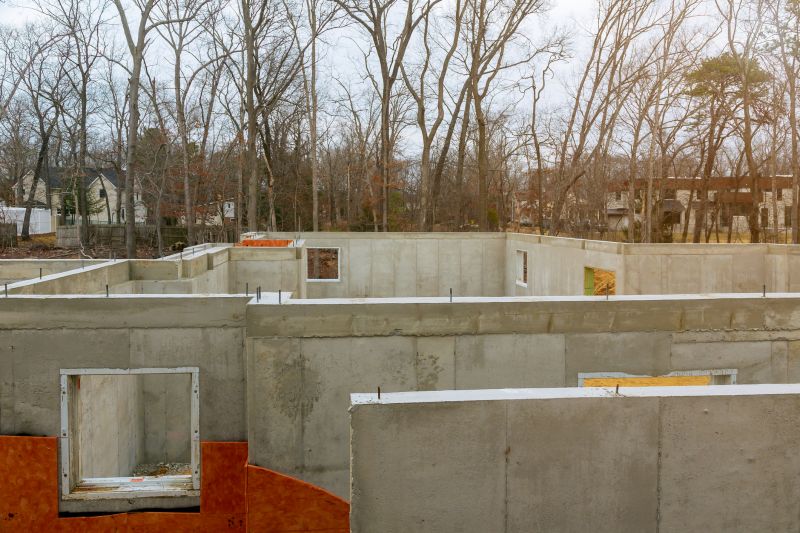
Finishes and colors that play nicely with Concrete Base Installations.
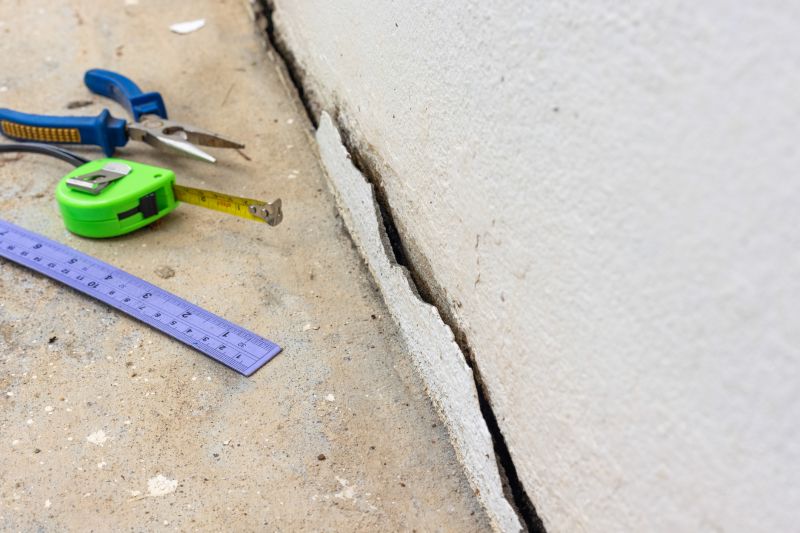
Little measurements that prevent headaches on Concrete Base Installations day.
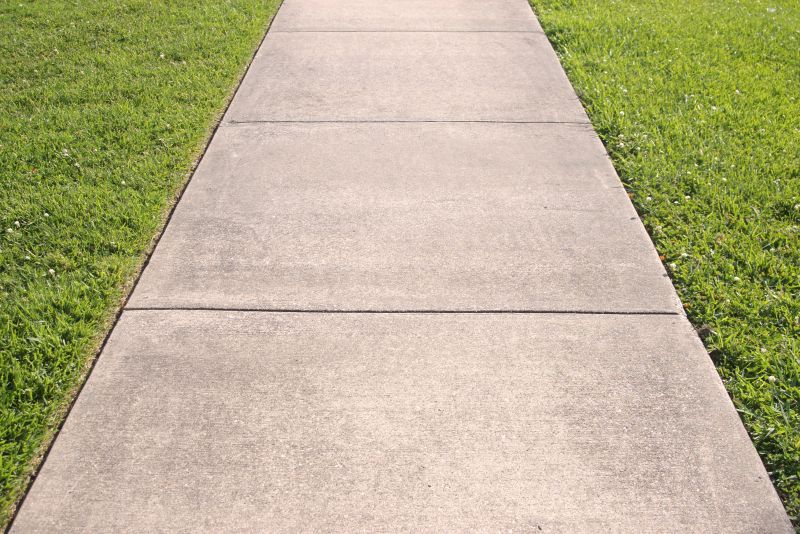
A 60-second routine that keeps Concrete Base Installations looking new.
A frequent mistake in Concrete Base Installations and how to dodge it.
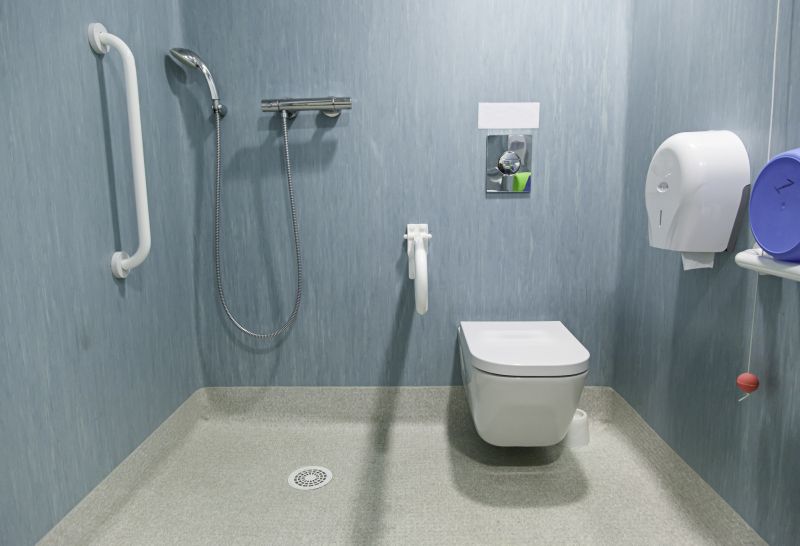
Small tweaks to make Concrete Base Installations safer and easier to use.
Lower-waste or water-saving choices for Concrete Base Installations.
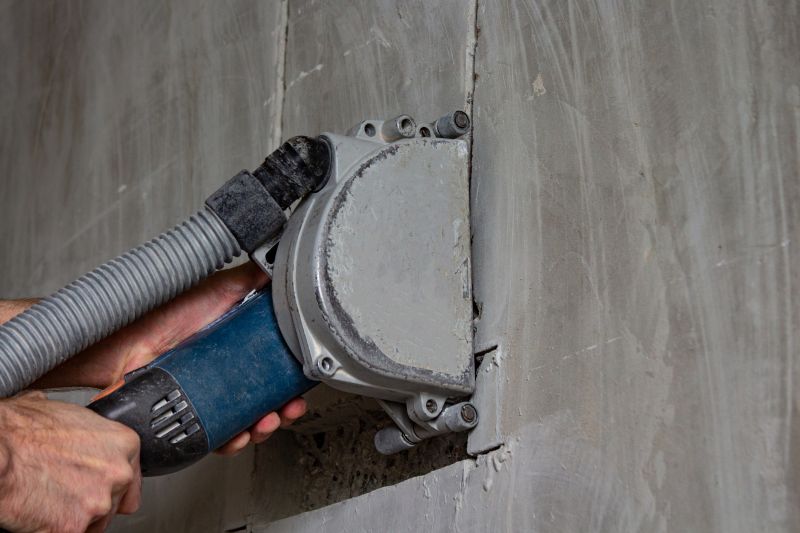
The short, realistic tool list for quality Concrete Base Installations.
Choosing the right time for concrete base installation involves assessing local climate patterns and project requirements. Proper planning minimizes risks associated with weather extremes, such as freezing temperatures or excessive heat. Consulting with specialists can help determine the ideal window for installation, ensuring the base's stability and longevity. Filling out the contact form can provide tailored advice for specific project timelines and conditions.